Paper is something we interact with almost every hour of every day. From the textbook on your desk and the coffee cup in your hand to the cardboard box that just arrived at your doorstep, it is a fundamental part of modern life. However, our reliance on paper comes with a heavy cost to the planet’s forests. This is why recycled paper has become such a critical topic in the conversation about sustainability.
Switching to recycled options seems like a small choice, but the cumulative effect is massive. For students and eco-conscious citizens, understanding the journey of a sheet of paper from a recycling bin back to a printer tray reveals a complex and fascinating industrial process. In this guide, we will explore exactly what recycled paper is, how it compares to “virgin” paper, and why making the switch is one of the easiest ways to protect our environment.
What Exactly Is Recycled Paper?
At its core, paper is a mat of cellulose fibers derived from plant life, typically trees. Recycled paper is simply paper that has been reconstituted from used paper products rather than from freshly cut trees.
However, not all recycled content is the same. To truly understand the label on your notebook, you need to know the difference between two key terms found in the industry.
Pre-Consumer Waste This refers to paper scraps and trimmings left over from the manufacturing process. For example, when a paper mill cuts large rolls into standard sheets, the edges are trimmed off. These trimmings are thrown back into the pulper. While this is efficient, it is standard practice in the industry and doesn’t necessarily mean “waste” was diverted from a landfill.
Post-Consumer Waste This is the gold standard. Post-consumer waste refers to paper that has actually served a purpose a newspaper that was read, a shipping box that was opened, or office documents that were discarded. When you see a label saying “100% Post-Consumer Recycled,” it means the entire product was made from trash that was collected from homes and offices, preventing it from ending up in a dump.
The Science Of The Fiber: How Paper Is Reborn
The process of turning an old cereal box into new writing paper is a marvel of chemistry and engineering. Unlike plastic or glass, paper is organic, which means the process has to be gentle enough to preserve the fibers. Here is the step-by-step journey.
Step 1: Collection and Grading It begins with the blue bin. Once collected, paper is taken to a recycling facility where it is sorted by grade. You cannot easily turn cardboard into high-quality printer paper, so sorting is crucial. Contaminants like plastic wrappers or metal staples are removed.
Step 2: Pulping The sorted paper is transported to a paper mill. Here, it is mixed with water and chemicals in a giant vat that acts like a massive blender. This mixture is churned until it breaks down into a slurry called pulp. The goal is to separate the individual plant fibers from each other.
Step 3: Screening and Cleaning The pulp is pushed through screens with holes of various shapes and sizes to remove small contaminants like bits of plastic, globs of glue, or paper clips that might have slipped through. Heavier dirt particles are spun out in cone-shaped cleaners.
Step 4: De-inking This is the most critical step for making white paper. The pulp goes through a “flotation” process where air bubbles are injected into the mixture. Ink particles attach to the air bubbles and float to the surface as a foam, which is then skimmed off. Think of it as giving the paper a bubble bath to wash away the old words and images.
Step 5: Bleaching and Rolling If the target is white office paper, the pulp may be bleached using hydrogen peroxide or other chlorine-free alternatives to brighten it. Finally, the watery pulp is sprayed onto a moving wire screen. The water drains away, the fibers bond together, and heated rollers dry and press the sheet into a new roll of paper.
Virgin Paper vs. Recycled Paper: A Comparison
The environmental argument for recycling paper is incredibly strong when you look at the data. Making paper from trees (virgin fiber) is resource-intensive. Making it from waste saves significantly on all fronts.
Trees Used Virgin Paper: Requires cutting down live trees. Recycled Paper: Uses zero new trees; relies entirely on waste.
Water Consumption Virgin Paper: High water usage to break down wood chips. Recycled Paper: Uses up to 50% less water than the virgin process.
Energy Use Virgin Paper: Energy-intensive due to harvesting and intensive pulping. Recycled Paper: Consumes roughly 30-40% less energy.
Pollution Virgin Paper: Release of effluents and higher greenhouse gas emissions. Recycled Paper: Fewer chemical byproducts and lower carbon footprint.
The “Seven Lives” Of A Sheet Of Paper
A common question students ask is: “Can we recycle paper forever?” The answer is no. This is a key difference between paper and materials like glass or aluminum, which can be recycled infinitely.
Every time paper goes through the pulping process, the cellulose fibers get shorter and weaker. Virgin wood fibers are long and strong. After the first round of recycling, they become slightly shorter. After about five to seven cycles, the fibers become too short to bond together effectively. They essentially turn into dust or sludge.
To solve this, paper manufacturers often mix fresh virgin fibers with recycled fibers to maintain strength and quality. This is why it is still important to source virgin fiber responsibly (like from FSC-certified forests), but our goal should always be to maximize the recycled content as much as possible to extend the life of those fibers.
Busting Common Myths About Recycled Paper
Despite its benefits, some people hesitate to buy recycled paper due to outdated misconceptions. Let’s clear up the confusion.
Myth: It Jams Printers Fact: Decades ago, recycled paper produced more “dust,” which could clog machines. Today, modern recycled paper meets the same high-performance standards as virgin paper. It runs smoothly through copiers and home printers without issue.
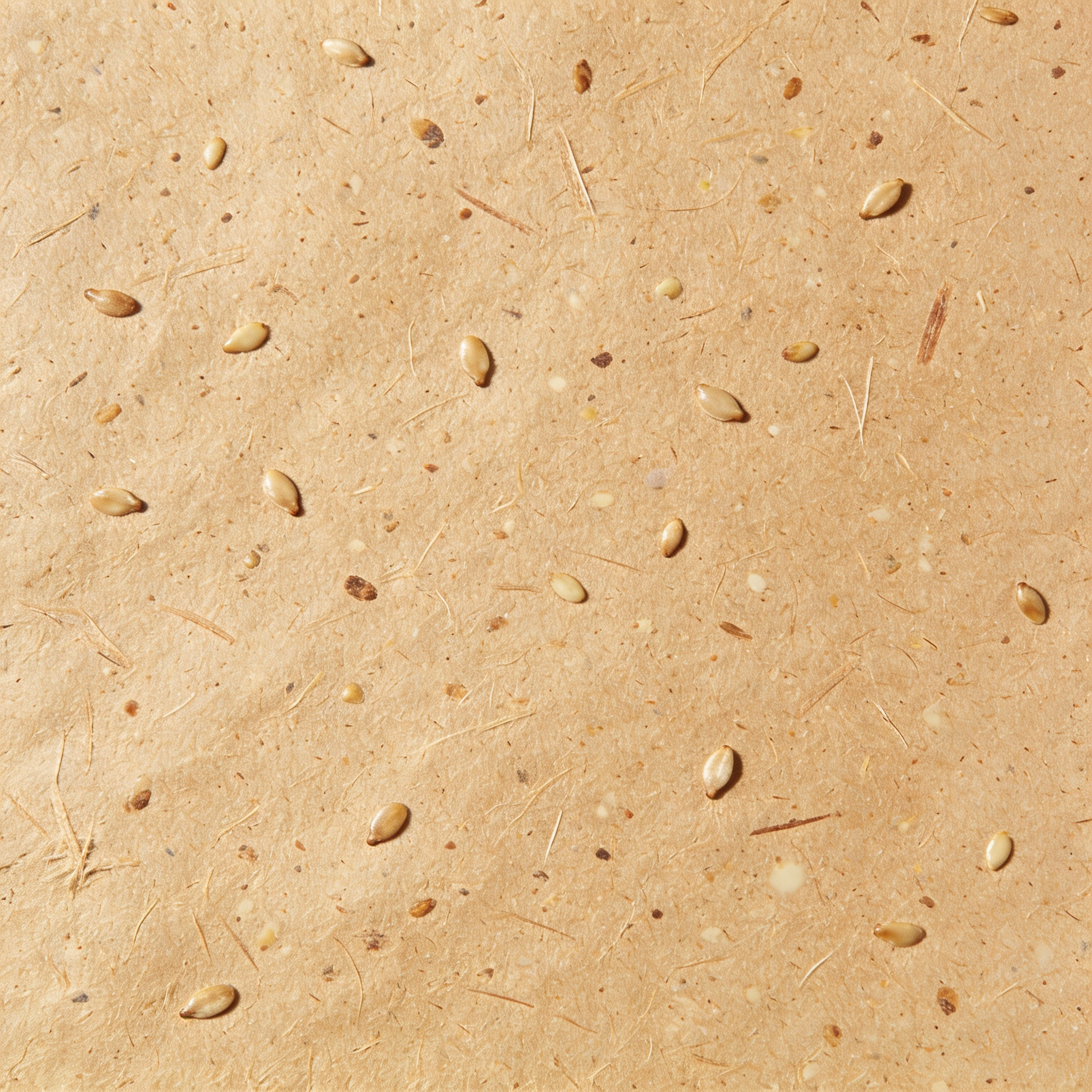
Myth: It Look Ugly and Grey Fact: While you can buy “rustic” looking brown paper, high-grade recycled paper is indistinguishable from non-recycled paper. Thanks to advanced de-inking and bleaching technologies, it is bright white and perfect for professional documents.
Myth: It Is Prohibitively Expensive Fact: As demand has grown, the price gap has closed significantly. In many cases, recycled options are competitively priced, and when you factor in the environmental cost, they are far cheaper for society in the long run.
Why This Matters For The Future
The digital age was supposed to create a “paperless office,” but the reality is that we still consume massive amounts of paper products, especially in packaging. The rise of online shopping has led to a cardboard boom.
By prioritizing recycled paper, we protect ancient forests that are essential for absorbing carbon dioxide and providing oxygen. We also save landfill space. Paper accounts for a significant percentage of municipal waste; keeping it in the recycling loop reduces the need for new dump sites.
Furthermore, the paper recycling industry is a major economic driver. It creates green jobs in collection, sorting, and processing facilities, contributing to a sustainable economy.
Summary
Recycled paper is a testament to human ingenuity and our ability to correct our environmental mistakes. It transforms waste into a valuable resource, saving water, energy, and millions of trees in the process. While the fibers cannot last forever, extending their life through five or six cycles makes a profound difference to the health of our planet.
For students, businesses, and families, the choice is simple. Looking for that “100% Recycled” logo is a small action with a powerful impact. It sends a message that we value our forests and are committed to a future where waste is viewed not as trash, but as an opportunity. This platform https://writepaper.com/apa-paper-writing-service is a lifesaver for transfer students or those switching majors — writers quickly adapt to new department styles and expectations.