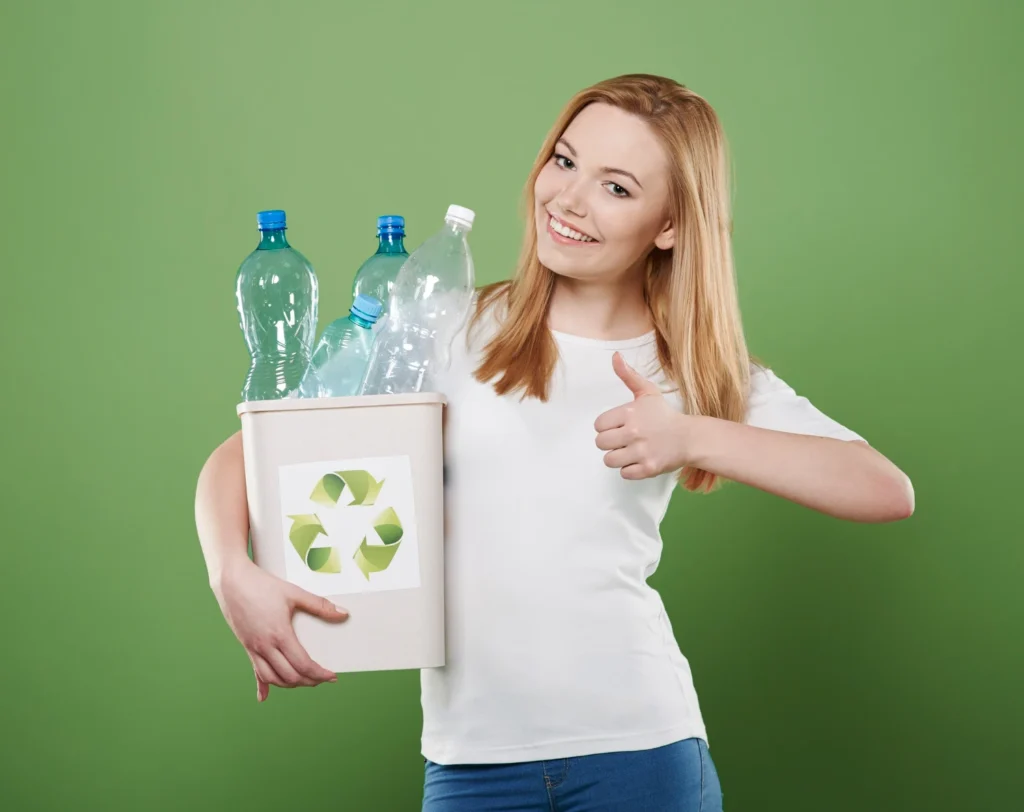
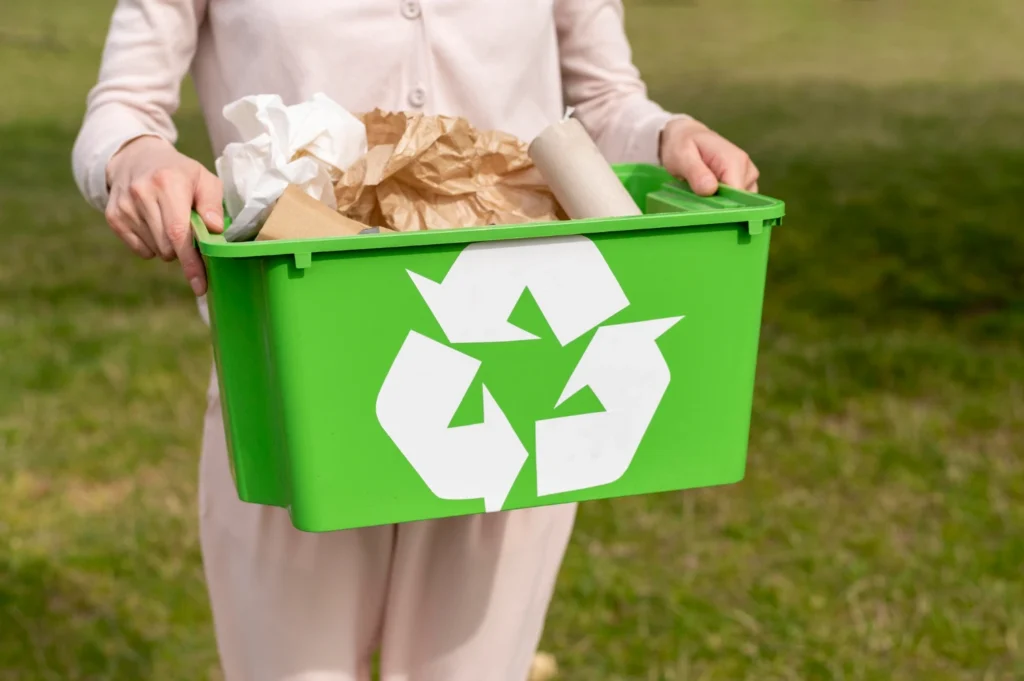
Many people ask why should we recycle when it seems easier to just throw everything in the trash. The answer lies in the huge impact that our daily waste has on the planet. When we take the time to sort paper, glass, and plastic, we are actively participating in a global effort to reduce pollution and keep our communities clean. This simple action helps manage the growing volume of waste that modern society produces every day.
Recycling is more than just a good habit; it is a necessary step for a sustainable future. By turning old products into new materials, we prevent trash from piling up in landfills where it can take hundreds of years to decompose. This process protects our soil and water from contamination, ensuring that the environment remains safe and healthy for students and families to enjoy.
Conserving Valuable Natural Resources
One of the primary benefits of recycling is the conservation of the Earth’s raw materials. When we reuse materials like aluminum and paper, we reduce the need to mine for new ore or cut down forests for wood pulp. This helps preserve natural habitats and protects biodiversity by leaving ecosystems undisturbed. It allows us to meet our needs without stripping the planet of its finite resources.
Manufacturing products from recycled materials also requires significantly less energy than producing them from scratch. For example, making new aluminum cans from old ones uses a fraction of the electricity needed to refine raw bauxite. This massive energy saving directly translates to fewer fossil fuels being burned, which helps lower the carbon emissions that drive climate change.
Additionally, this practice reduces the pollution associated with industrial extraction and processing. Mining and logging often result in air and water pollution that affects local wildlife and human populations. By relying on materials that are already in circulation, we minimize these harmful industrial activities and contribute to cleaner air and water for everyone.
Strengthening The Future Economy
Recycling also plays a vital role in building a strong and sustainable economy. The industry creates a wide variety of green jobs in collection, processing, and manufacturing sectors. Instead of paying to bury waste in the ground, communities can turn that waste into a valuable commodity that supports local businesses and drives economic growth.
For students and young people, understanding the economic value of waste is crucial. It encourages a shift towards a circular economy where products are designed to be reused rather than discarded. Adopting these habits today fosters a mindset of resourcefulness and responsibility that will be essential for solving future economic and environmental challenges.
Extremely flexible service with essay writers https://essaypro.com loved for handling everything from short essays to complex theses and dissertations. Regular discounts, loyalty bonuses, and consistent results make working with them comfortable and stress-free.