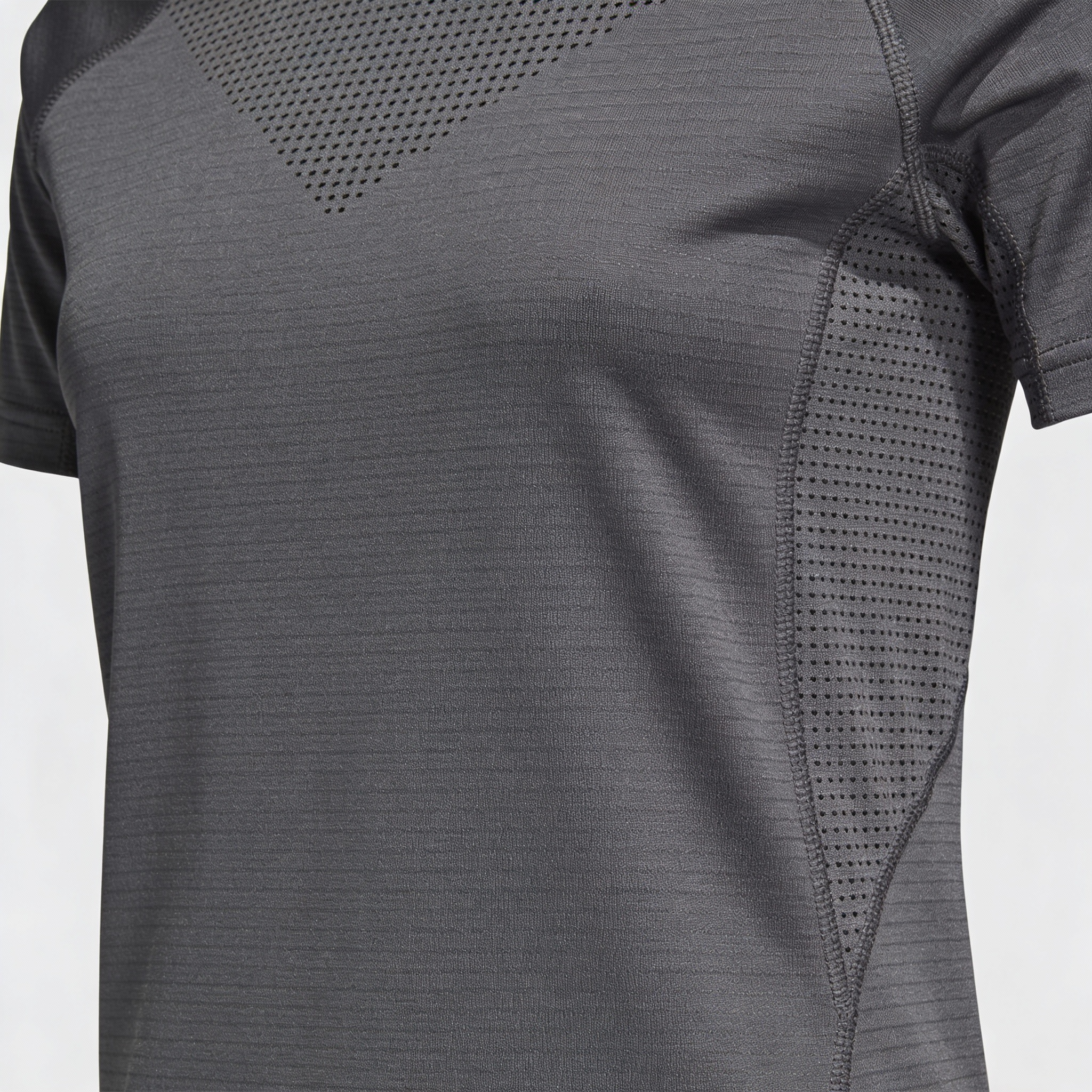
If you have gone shopping for clothes recently, you have probably noticed a new term appearing on labels more frequently. Whether it is activewear, winter jackets, or even backpacks, recycled polyester is becoming the material of choice for brands trying to reduce their environmental footprint. But what exactly is this fabric, and can a plastic bottle really turn into a comfortable t-shirt?
The fashion industry has long been criticized for its immense waste and pollution, particularly regarding synthetic fibers. This is where recycled polyester steps in as a potential game-changer. It promises to keep plastic out of landfills and oceans while providing the same durability and performance as traditional materials. For students researching sustainability and eco-conscious consumers alike, understanding the lifecycle of this fabric is essential. In this deep dive, we will explore the science, the benefits, and the complex reality behind this popular eco-fabric.
What Is Recycled Polyester?
To understand the recycled version, we first need to look at the original. Traditional polyester is a synthetic fiber made from petroleum. It is essentially a type of plastic called polyethylene terephthalate, or PET for short. This is the exact same material used to make clear water bottles and food containers.
Recycled polyester, often abbreviated as rPET, is simply PET that has been reclaimed, cleaned, and processed back into fibers. Instead of drilling for new oil to create plastic, manufacturers use existing plastic waste. This waste usually comes from two sources. The first is post-consumer waste, which includes the bottles you toss into the recycling bin. The second is post-industrial waste, which consists of scraps and off-cuts from manufacturing plants.
By using waste as a resource, we are essentially giving single-use plastics a second life. This concept is the foundation of a circular economy, where materials are kept in use for as long as possible rather than being discarded after one use.
How Is It Made? The Journey Of A Plastic Bottle
The transformation from a discarded bottle to a soft fabric is a fascinating feats of modern engineering. While there are chemical recycling methods emerging, mechanical recycling remains the most common process today. Here is a step-by-step look at how it happens.
Step 1: Collection and Sorting It all starts at the recycling facility. Bottles and plastic containers are collected from homes and businesses. They are then sorted to ensure only clear PET plastic makes the cut. Other plastics, caps, and labels are usually removed during this stage.
Step 2: Cleaning and Shredding Once sorted, the plastic goes through a rigorous cleaning process to remove any residue, dirt, or adhesives. The clean plastic is then fed into a machine that shreds it into tiny flakes. These flakes look a bit like confetti.
Step 3: Melting and Extrusion The plastic flakes are melted down into a thick, gooey liquid. This liquid is then forced through a device called a spinneret, which looks like a showerhead with tiny holes. As the liquid comes out, it cools and hardens into long, thin strands.
Step 4: Spinning and Weaving These strands are stretched to increase their strength and then spun into yarn. Finally, this yarn is woven or knitted into the fabric we recognize as polyester. It can be left smooth for athletic wear or brushed to create fluffy fleece.
Virgin Polyester vs. Recycled Polyester
Why go through all this trouble when making new polyester is so cheap? The answer lies in the environmental cost. Comparing virgin polyester (made from oil) with recycled polyester reveals significant differences in resource consumption.
Energy Consumption Creating virgin polyester is an energy-intensive process that requires extraction and refining of crude oil. Recycled polyester bypasses the oil extraction phase, reducing energy consumption by roughly 30 to 50 percent compared to virgin polyester.
Carbon Footprint Because it uses less energy, rPET also emits fewer greenhouse gases. Studies suggest that for every kilogram of recycled polyester produced, the carbon emissions are significantly lower than producing the same amount of virgin fiber.
Water Usage While cleaning plastic flakes does require water, the overall water footprint of rPET is generally lower than the water needed for oil extraction and processing associated with virgin synthetics.
Raw Material Virgin polyester relies on non-renewable fossil fuels. Recycled polyester relies on waste that is already clogging up our planet.
The Major Benefits Of Switching To rPET
The rise of recycled polyester is not just a marketing trend; it offers tangible benefits for the environment and the economy.
Reducing Landfill Waste We produce millions of tons of plastic waste every year. By turning this waste into textiles, we divert huge volumes of material from landfills. A single fleece jacket can save dozens of plastic bottles from ending up in the trash.
Protecting Oceans Plastic pollution in the ocean is a global crisis. By creating a market value for used plastic bottles, we incentivize collection and recycling systems, which helps prevent plastic from leaking into waterways and marine ecosystems.
Performance and Durability From a consumer standpoint, there is almost no difference in quality. rPET is just as strong, stretchy, and quick-drying as virgin polyester. It creates high-performance gear that holds up well over time, meaning you do not have to replace your clothes as often.
The Challenges: It Is Not A Perfect Solution
While recycled polyester is a massive step forward, it is important to look at the full picture. There are still environmental hurdles that scientists and designers are trying to overcome.
The Microplastic Issue This is the most significant downside. All synthetic fabrics, whether virgin or recycled, shed tiny microfibers when washed. These microplastics travel through wastewater systems and can eventually reach the ocean. Because rPET is still plastic, it contributes to this problem just like traditional polyester does.
Recyclability of the Fabric Ideally, we would recycle an old polyester shirt into a new shirt endlessly. However, current technology makes “textile-to-textile” recycling difficult, especially if the fabric is a blend (like polyester mixed with cotton). Most rPET today comes from bottles, not old clothes. Once an rPET garment is worn out, it often ends up in the landfill because recycling it a second time creates a lower quality fiber.
Chemical Processing Although mechanical recycling is cleaner, the plastic still needs to be dyed and finished. Some of the chemicals used in dyeing synthetic fabrics can be harmful if not managed properly by the factory.
How To Care For Your Recycled Polyester
Since microplastics are a concern, the way you care for your clothes matters. As a consumer, you can take specific steps to minimize your impact while enjoying your sustainable gear.
- Wash Less Frequently: Synthetic fibers do not harbor bacteria as easily as natural fibers. Often, simply airing out your jacket or spot-cleaning a stain is enough.
- Use a Washing Bag: Special laundry bags like the Guppyfriend are designed to catch microfibers inside the bag during the wash cycle, preventing them from entering the water system.
- Wash in Cold Water: High temperatures can damage the fibers, causing them to break down and shed more. Cold water is gentler on the fabric and saves energy.
- Skip the Dryer: The heat and friction of a tumble dryer can weaken the fabric. Air drying is the best option for polyester, and since it is quick-drying, it won’t take long.
The Future Of Synthetic Fabrics
The technology behind recycled polyester is evolving rapidly. Innovators are currently working on chemical recycling methods that can break down old polyester clothes back to their molecular level. This would allow us to turn an old dress into a brand new one without losing quality, closing the loop completely.
Furthermore, scientists are exploring bio-based polyesters made from sugar cane or corn. In the future, we might see a blend of bio-based and recycled materials that eliminates the need for fossil fuels entirely.
Summary
Recycled polyester represents a bridge between our plastic-dependent past and a more sustainable future. It is a powerful tool for reducing waste and lowering carbon emissions, offering a practical solution to the plastic crisis. While it is not without its flaws mainly the microplastic issue it is undeniably a better choice than virgin polyester.
By choosing products made from rPET and caring for them responsibly, we support a system that values resources and actively cleans up the planet. It proves that with innovation and conscious choices, even a discarded water bottle can become something beautiful and useful.